

What If the Way We Earn Our Living Became a Way of Giving Life?
Reflections on the wisdom of seven generations, the meaning of prosperity, and our responsibility to the living world.
A Teaching That Has Stayed With Me
For a number of years, I had a remarkable Native American spiritual teacher who lived in California. Soon after we met, she invited me to call her Grandmaji, a name that came to reflect the warmth and closeness of our relationship and the deep respect I felt for her.
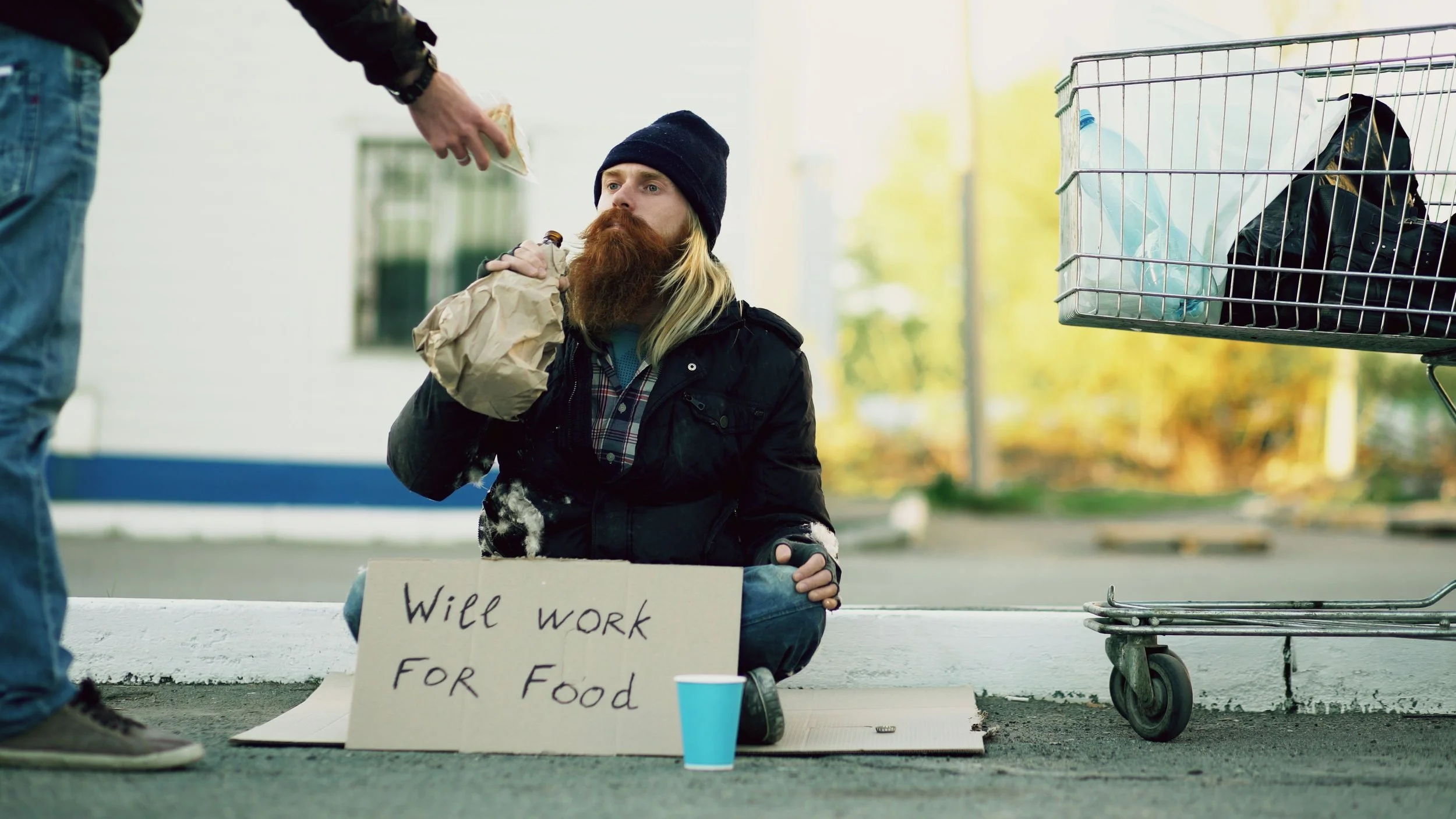
Grandmaji was a powerful spiritual teacher, but what impressed me most was how naturally she brought her teachings into everyday life. She would regularly gather a group of people to visit the poorer neighbourhoods and homeless communities of Los Angeles, bringing food, clothing, and whatever else they could offer to people who were struggling. She never made these acts of kindness seem extraordinary. Helping others was simply part of how she lived. There was no need for recognition or elaborate explanations about the importance of compassion. She understood that when someone is hungry, you feed them, and when someone is cold, you offer them warmth.
Grandmaji often spoke about the wisdom of the seven generations, a teaching that encourages us to consider how our decisions today will affect those who come after us. She reminded me that our responsibility extends beyond our own lives and the people immediately around us. We are part of a much longer story, one that began long before we arrived and will continue long after we are gone.
I have carried that teaching with me ever since. What I learned from Grandmaji was that spirituality has little meaning if it remains confined to our beliefs, practices, or conversations. Its real expression is found in how we live, how we treat people, and whether we are willing to act when something needs our attention.
I have often wondered how different our world might be if we brought this same understanding into the way we earn our living, build organisations, and make economic decisions. After all, if our actions today shape the lives of future generations, should that responsibility not also extend to the work we do every day?
What Are We Really Working For?
There is a question I have been returning to increasingly often, both personally and through my work with leaders, students and organisations.
What would it look like to earn a living in a way that genuinely nourishes ourselves, our communities, and the living world?
It sounds straightforward, but the more deeply I explore it, the more I realise how much it challenges the assumptions upon which much of our economic life is built.
Most of us spend a significant part of our lives working. We invest our energy, creativity, intelligence, and time into earning an income, building careers, developing businesses or contributing to organisations. We want our work to be meaningful, and we hope to make a positive difference.
At the same time, we live within a political and economic system that frequently rewards activities that are not necessarily beneficial to people or the planet. We have become sophisticated at generating financial wealth, yet we continue to struggle with poverty, environmental degradation, loneliness and growing inequalities.
I find this contradiction difficult to ignore. We can build profitable businesses while gradually exhausting the natural systems upon which those businesses depend. We can celebrate economic growth while communities lose their sense of belonging and we can reward people enormously for activities that contribute relatively little to collective wellbeing.
Meanwhile, those who care for the elderly, restore damaged landscapes, support vulnerable families, or dedicate their lives to education and community development often struggle to earn a decent living.
This makes me wonder whether we have confused the ability to generate money with the ability to create genuine value. Of course, financial resources matter. We all need to support ourselves and those who depend on us. Financial stability creates possibilities, and economic activity has contributed enormously to human development. But surely if our economic activities do not ultimately contribute to the wellbeing of people and the conditions that sustain life, what exactly are we working towards?
Living Within the Contradiction.
I recognise this tension in my own life. For years, I have worked at the intersection of innovation, business strategy, education, and human development. Alongside this, my work in energy healing and consciousness has continually invited me to explore what it means to live in greater alignment with ourselves, one another, and the natural world.
These different areas of my life have gradually become less separate. I increasingly see that the challenges we face in business and society are deeply connected to how we understand ourselves and our place within the larger web of life. Yet understanding this does not mean that the contradictions simply disappear.
I know many people who experience a similar tension. They want to make choices that reflect their values, but those choices are often constrained by financial pressures, organisational expectations, or the demands of the market.
An entrepreneur may genuinely want to produce goods responsibly but discover that cheaper, less sustainable alternatives dominate the market. A leader may care deeply about employee wellbeing while being pressured to deliver increasingly ambitious financial targets. A teacher may want to nurture curiosity, wisdom, and independent thinking while working within an educational system that places growing emphasis on measurable performance. These are not necessarily failures of personal integrity. They reveal the difficulties of trying to live according to different values within systems that have not yet evolved to support them.
I do not believe the answer is to withdraw from economic life or pretend that money is unimportant. Nor do I think we should expect individuals to solve structural problems through personal choices alone. I wonder whether we can begin to transform the economy through the way we participate in it, while also challenging the structures that make harmful choices easier and more profitable than responsible ones.
What If We Redefined Value?
In business, we regularly speak about creating value, capturing value, and gaining competitive advantage. These expressions have become so familiar that we rarely stop to consider what they reveal about our relationship with the world.
I have spent some years working with business models and innovation, and I continue to find these tools valuable. They help us understand how organisations operate, how resources flow, and how new possibilities can emerge.
But I have also become increasingly interested in the assumptions beneath them. When we talk about creating value, whose value are we actually considering? Who benefits from our activities, and who bears the costs? What happens to the people, communities, and ecosystems that make our economic success possible?
A business may appear successful because it generates substantial profits, but if those profits depend on degrading the environment, exploiting workers, or weakening the communities around it, can we really call that success?
Conversely, an organisation may generate modest financial returns while making an extraordinary contribution to the wellbeing of its employees, customers, and wider community.
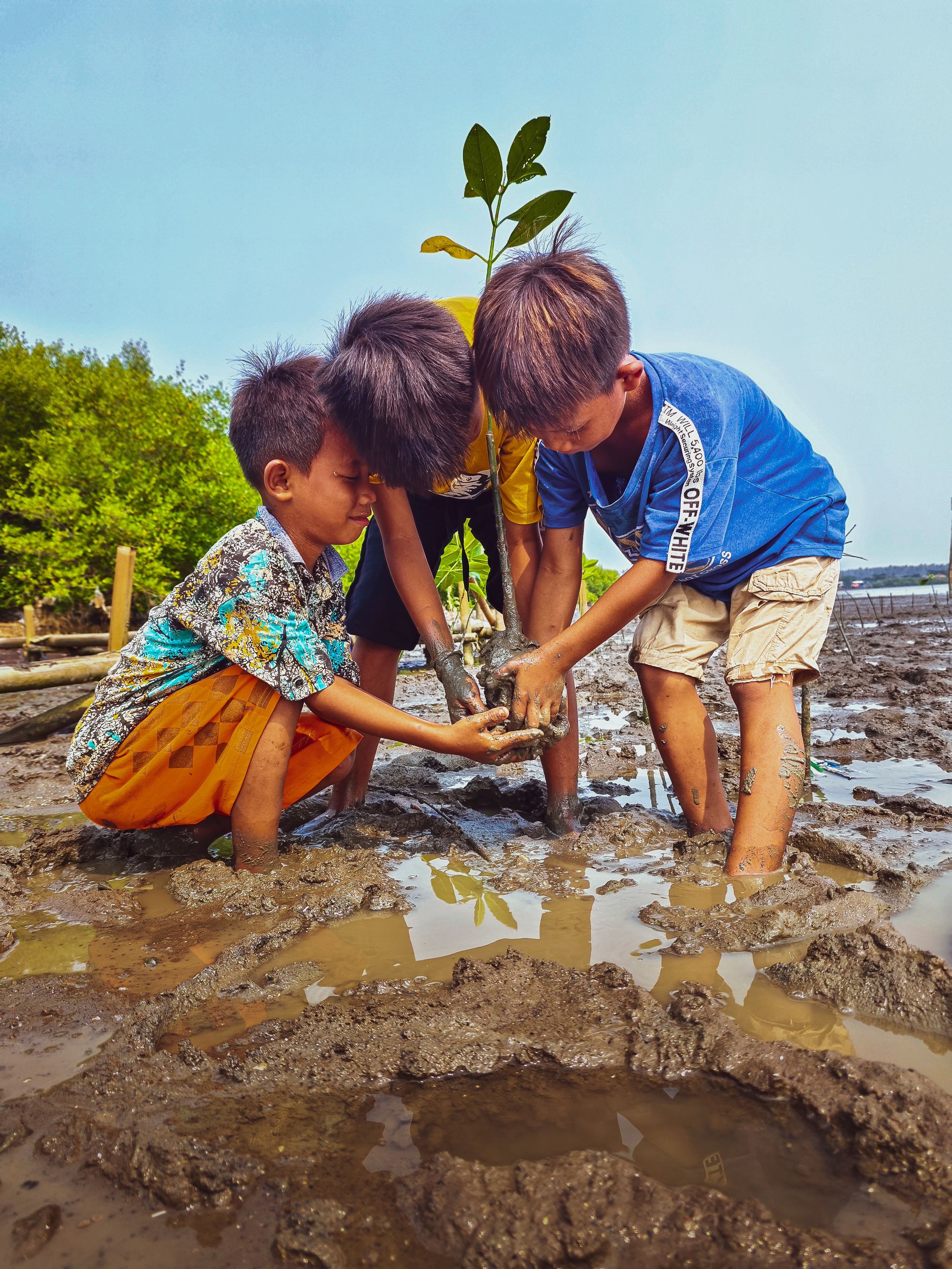
Our current economic measurements struggle to recognise the difference. This is one of the reasons I am drawn to regenerative approaches to business and economics. Regeneration invites us to ask how our activities might actively restore, renew, and strengthen the living systems of which we are part. A regenerative business should not simply aim to become less damaging. It should seek to leave the people and places it touches in a healthier condition than it found them.
We would also need to recognise that regeneration applies to human beings as much as it does to landscapes and ecosystems. There is something deeply contradictory about building a business dedicated to sustainability while the people working within it are exhausted, anxious, or disconnected from their own lives. If we want to create regenerative organisations, we must also pay attention to the quality of the human experience within them.
Thinking Seven Generations Ahead
Would we design products in the same way? Would we continue to reward the same forms of economic activity? Would we measure organisational success primarily through quarterly results and short-term financial returns?
And perhaps most importantly, would we continue to treat the natural world as something separate from ourselves, available for endless exploitation?
Thinking seven generations ahead asks us to become more humble about our place in the world and more attentive to what we leave behind.
I find this particularly relevant in education and leadership development. We often speak about preparing people for the future, but perhaps we should spend more time helping them consider what kind of future their decisions are helping to create.
There is a profound difference between preparing people to succeed within the world as it exists and encouraging them to take responsibility for the world that is emerging.
The teaching of seven generations has taken on a different meaning for me as I have grown older.
When I first encountered it through Grandmaji, I understood it primarily as a call to consider the long-term consequences of our actions.
Today, I see it as something even broader. It invites us to recognise ourselves as ancestors of the future. Every generation inherits the consequences of decisions made by those who came before it. Our cities, institutions, economies, landscapes, and cultural values have all been shaped by people whose lives may have ended long before ours began.
In the same way, the decisions we make today will continue to influence lives we will never personally encounter. I wonder what would happen if we brought this awareness into our boardrooms, classrooms, and everyday economic decisions.
Would we still make the same choices if we genuinely considered their consequences over several generations?
What Will We Leave Behind?
When Grandmaji was gathering her group of volunteers in California, preparing food and clothing before heading into the streets of Los Angeles, I doubt she was thinking about regenerative economics or the transformation of business models. She was responding to the suffering she encountered with the means available to her.
Yet her actions contained something that I believe our economic thinking desperately needs to rediscover. She certainly understood that our lives are connected and that the wellbeing of another person is not entirely separate from our own.
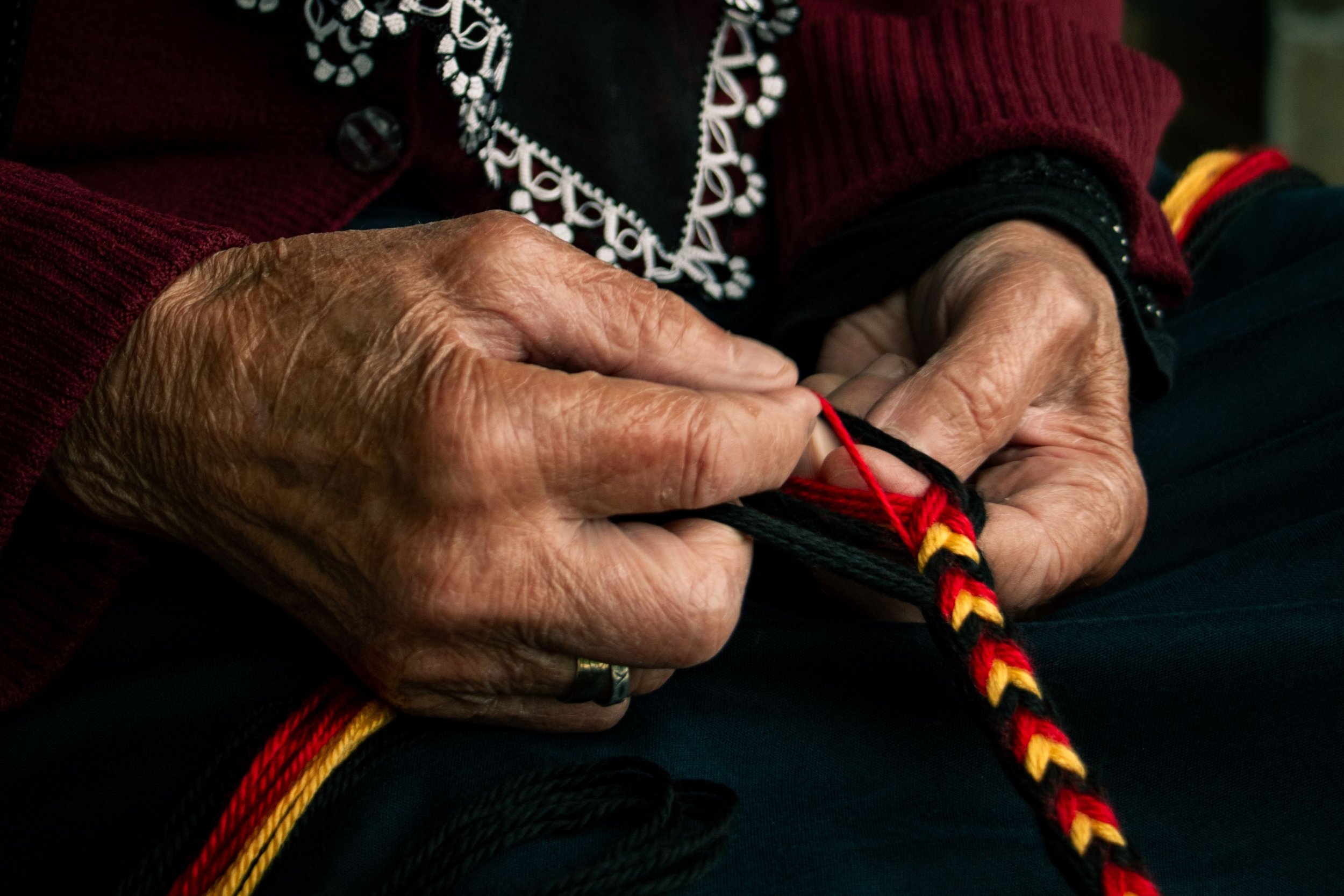
Her teachings about the seven generations were not abstract spiritual ideas. They were reflected in the way she lived and in the care she extended to people who might otherwise have been overlooked.
When I think about the future, I imagine a society in which earning a living and caring for life are no longer treated as competing priorities. Grandmaji taught me that even the smallest act of kindness matters. Her example also reminds me that we do not need to wait until we have all the answers before beginning to live differently.
What would it look like to earn a living in a way that nourishes ourselves, our communities, and the living world?
I would love to hear how this question resonates with you and how it is taking shape in your own life and work. I believe these are conversations worth having, especially if we are serious about creating a future that the next seven generations might be grateful to inherit.