
Will Your Organisation Become the Next MTV?
Why an honest outside-in perspective can reveal what an organisation is gaining, what it is losing and what it risks becoming.
Earlier in my career, I worked as a problem-solver for Fortune 500 companies and global brands. At renowned agencies including KesselsKramer, Mother London and StrawberryFrog, I worked across creativity, brand strategy and innovation for organisations such as Procter & Gamble, Coca-Cola, Agnes b and Eurostar.
One of the projects I helped create was Somers Town, a feature film for Eurostar directed by Shane Meadows. What began as an experimental alternative to conventional advertising became an award-winning film that attracted international media attention. It demonstrated that a brand did not always need to interrupt people with another commercial. It could create something people genuinely wanted to experience.
It was one of the projects that opened doors to conversations that I found deeply valuable. Sometimes my name would find its way into an organisation, followed by an invitation to speak openly without agenda’s with senior management.
These were not formal presentations. They were honest strategic conversations. Leaders wanted to hear how their organisation appeared from the outside, and I was equally fascinated to understand the forces shaping their decisions from within.
I could be complimentary where praise was deserved and critical where I saw a tension. I had no internal political position to protect and no vested interest in a particular answer. I was simply there to offer another way of seeing.

Who gets to experience culture?
One such conversation was with the Dutch ministry responsible for culture. We spoke on several occasions about the quality and accessibility of museums and cultural institutions in the Netherlands.
Having spent much of my life in the United Kingdom, I was interested in the British policy of offering free admission to the permanent collections of national museums. The policy had significantly increased visitor numbers and made important parts of the national collection available regardless of a person’s financial circumstances.
The British system was not entirely free, of course. Temporary exhibitions could still charge admission, and many museums also relied on public funding, donations, commercial income and corporate sponsorship. Nevertheless, it opened an interesting strategic question for the Netherlands.
Could more people be given access to Dutch museums through a different balance of government support, ticket income and carefully governed corporate partnerships?
That question also led us towards the subject of cultural integrity. Is an exhibition inherently more independent when it is financed through taxation and ticket sales? Could corporate sponsorship also serve the public good if clear boundaries protected curatorial freedom? What does independence really mean when every funding model creates its own interests, pressures and dependencies?
I did not enter the room claiming to possess a definitive answer. I offered a perspective that allowed us to examine the assumptions beneath the existing model.
Perhaps that is what a valuable strategic conversation should do.
Are you building a relationship or creating irritation?

Another memorable conversation was with board members of BSkyB (British Sky Broadcasting) in London. They had become curious after the success of Somers Town and wanted to explore my perspective on the future of television and brand communication.
I told them quite openly that I disliked television advertising. Whenever possible, I skipped or blocked commercials. It seemed strange to me that a paying customer could still have their experience repeatedly interrupted.
This led to a larger question. If customers already pay for a service, should their relationship with the company continue to be built through interruption?
Could that relationship be designed around affection rather than irritation? Could Sky offer customers more choice, more control and a viewing experience that felt generous rather than intrusive? Could it become a company people loved, rather than merely a service they tolerated?
Netflix had already begun streaming in the United States, but it had not yet become the dominant European reference point it would later become. Sky was also developing on-demand viewing, connected services and greater customer control.
My contribution was a prediction of a future product. It was a perspective on the deeper movement taking place: television was shifting from broadcasting at people towards designing an experience around them.
The technology would continue to change, but the human question was already visible. What kind of relationship did Sky want to have with its customers?
What happens when a brand leaves its essence behind?

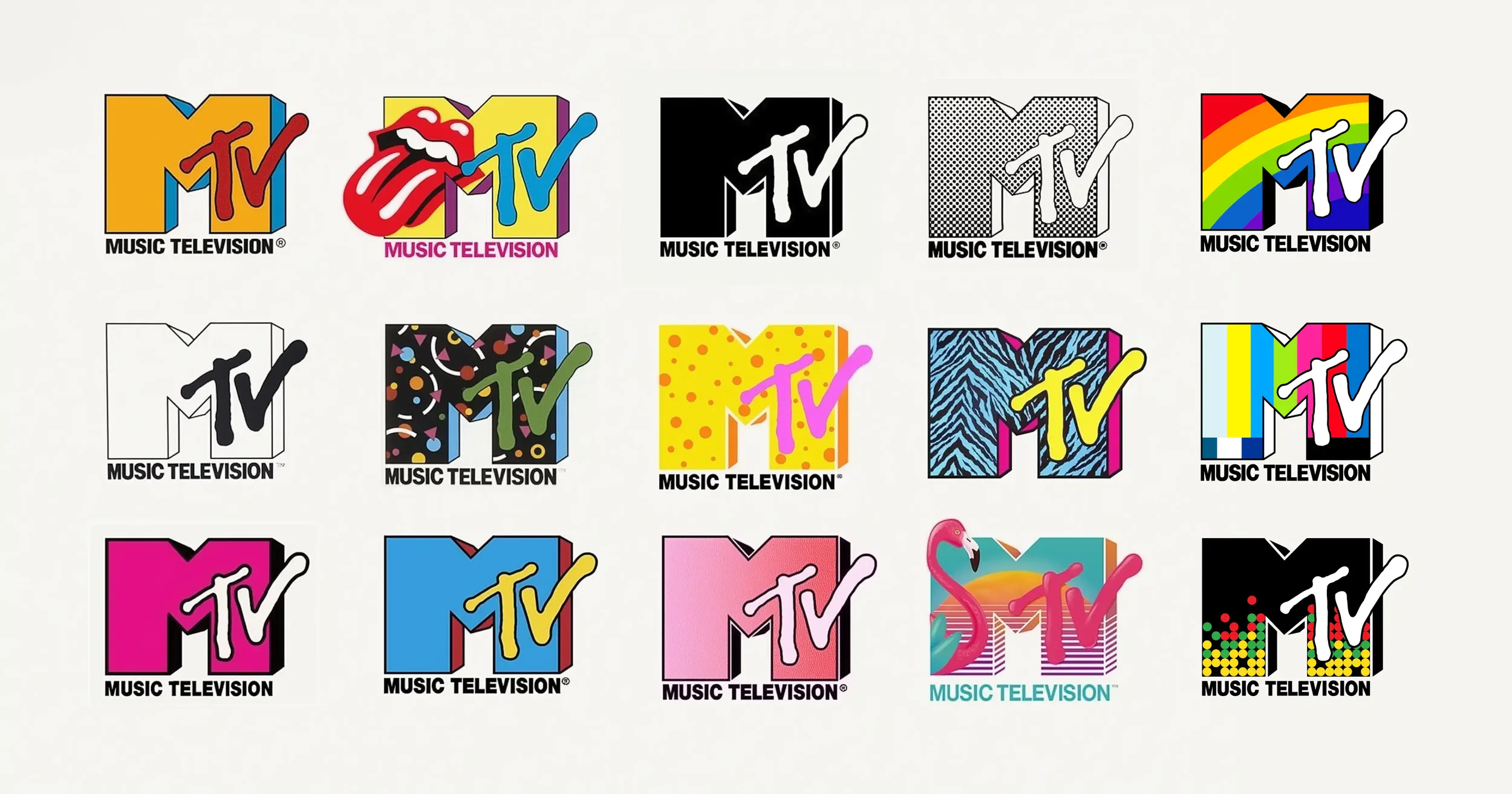
Another conversation took place with a senior president at MTV Europe in the organisation’s Camden offices in London. It was a vibrant environment, with studios, creative energy and a beautiful courtyard beside his office.
We spoke about the extraordinary heritage of MTV. It was never merely a television channel. MTV once represented music, discovery, glamour, rebellion and cultural excitement. It did not simply report on youth culture; it helped create it.
By that time, however, MTV was moving decisively towards reality television. Commercially, this strategy produced successful programmes and attracted large audiences. Strategically, I found the direction more difficult to follow.
I wondered what the organisation might lose by moving too far away from the source of its original magnetism.
I spoke about live gigs, intimate performances, unexpected artist collaborations and surprise concerts in unusual places. I imagined moments that could not simply be copied by another broadcaster because they emerged directly from MTV’s heritage and identity.
I kept returning to one thought: music, music, music.
The executive clearly connected with the idea because it touched something recognisable in the brand’s essence. Nevertheless, MTV continued along its chosen path.
The strategic decision was understandable. Reality television initially delivered successful formats, strong audiences and commercial returns. Yet, over time, MTV surrendered the cultural territory that had once made it unique. As music discovery moved to platforms such as YouTube and, later, TikTok, MTV no longer occupied the central place in music culture it had once defined.
Eventually, the longer-term consequences became visible. In 2025, MTV closed its remaining dedicated music channels across the UK and much of Europe. Its flagship channel continued, but primarily as a home for reality and entertainment programming.
MTV’s proposition did fail. The organisation became something fundamentally different, while the cultural meaning that had made MTV iconic was gradually lost.
This is the strategic tension that matters. A direction can deliver short-term numbers while quietly eroding the very quality that makes an organisation distinctive. By the time the financial consequences become visible, the deeper loss may already be irreversible.
The question is not simply whether your organisation will survive. It is whether it will still mean something when it does.
Could the same thing happen to your organisation?
Your organisation may be growing while becoming less distinctive. It may be attracting customers while weakening the relationship it has with them. It may be achieving its targets while slowly moving away from the purpose, identity or energy that made it valuable in the first place.
A strategic direction can make commercial sense and still carry a deeper cost.
The value of an outside-in perspective is not that an outsider can predict the future perfectly. Its value lies in revealing the tensions that people inside an organisation may have become too close to see.
How do you balance access with funding? How do you protect integrity while building partnerships? Are you creating reach at the expense of meaning? Are you building a genuine relationship with your customers, or merely finding new ways to interrupt them? Are you evolving your organisation, or abandoning the essence that made people care?
Sometimes an honest conversation creates a new strategy. Sometimes it plants a seed that only becomes meaningful years later. Sometimes it simply opens a window and allows different air into the room.
So, will your organisation become the next MTV? Or will you recognise what must evolve while protecting the essence that should never be lost?
If your organisation could benefit from an independent outside-in perspective, without internal politics, inherited assumptions or a predetermined solution, I am always open to a conversation.