

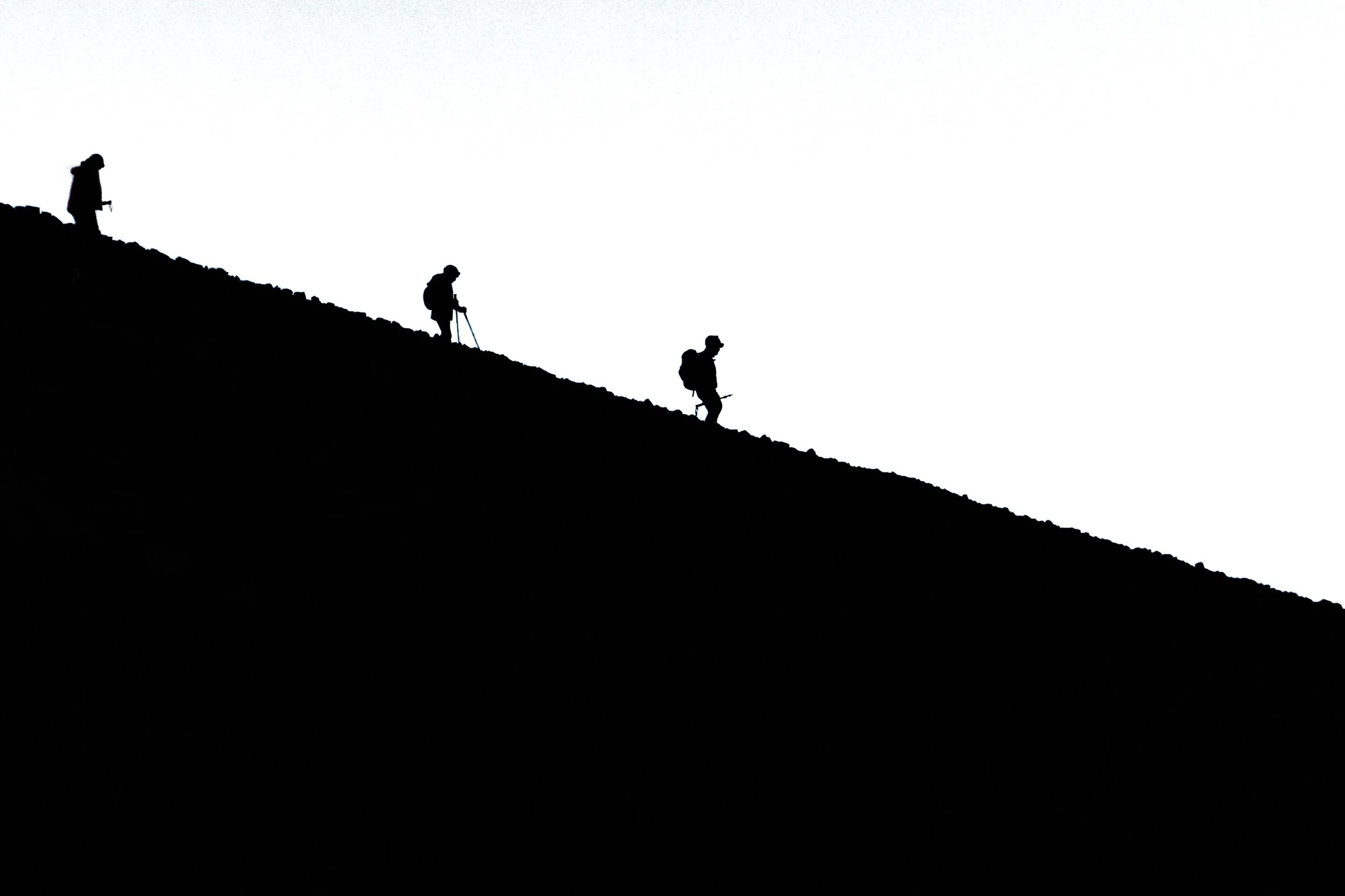
What if resilience is about discovering who we are becoming?
Several inspired conversations with my colleague at Maastricht University, Professor Dr Philip Vergouwen recently got me thinking about the theme of resilience and its growing importance in a world that is changing at such an extraordinary pace. But what do we actually mean when we use that word.
We speak a great deal about resilience these days. Resilient people, resilient organisations, resilient societies. But what does resilience really mean? Where does it begin, and where does it end? And are we perhaps asking the wrong questions about what it means to be resilient?
We tend to think of resilience as our ability to withstand difficulties, recover from setbacks and somehow return to ‘normal’. Yet I increasingly wonder whether this understanding belongs to a world that is already changing beneath our feet.
When I look at nature, I see something quite different. Nature does not try to preserve everything as it was. It continuously adapts, transforms and finds new expressions of life. A forest recovering from a fire does not simply recreate what existed before. New species emerge, relationships shift and an entirely different ecosystem can begin to develop. What appears to us as destruction may also create the conditions for renewal.
I feel something similar is happening in our societies, organisations and within ourselves. Many of the structures, beliefs and ways of living that once provided us with certainty no longer seem capable of sustaining the future. Yet our instinct is often to strengthen precisely those structures when they begin to fail.
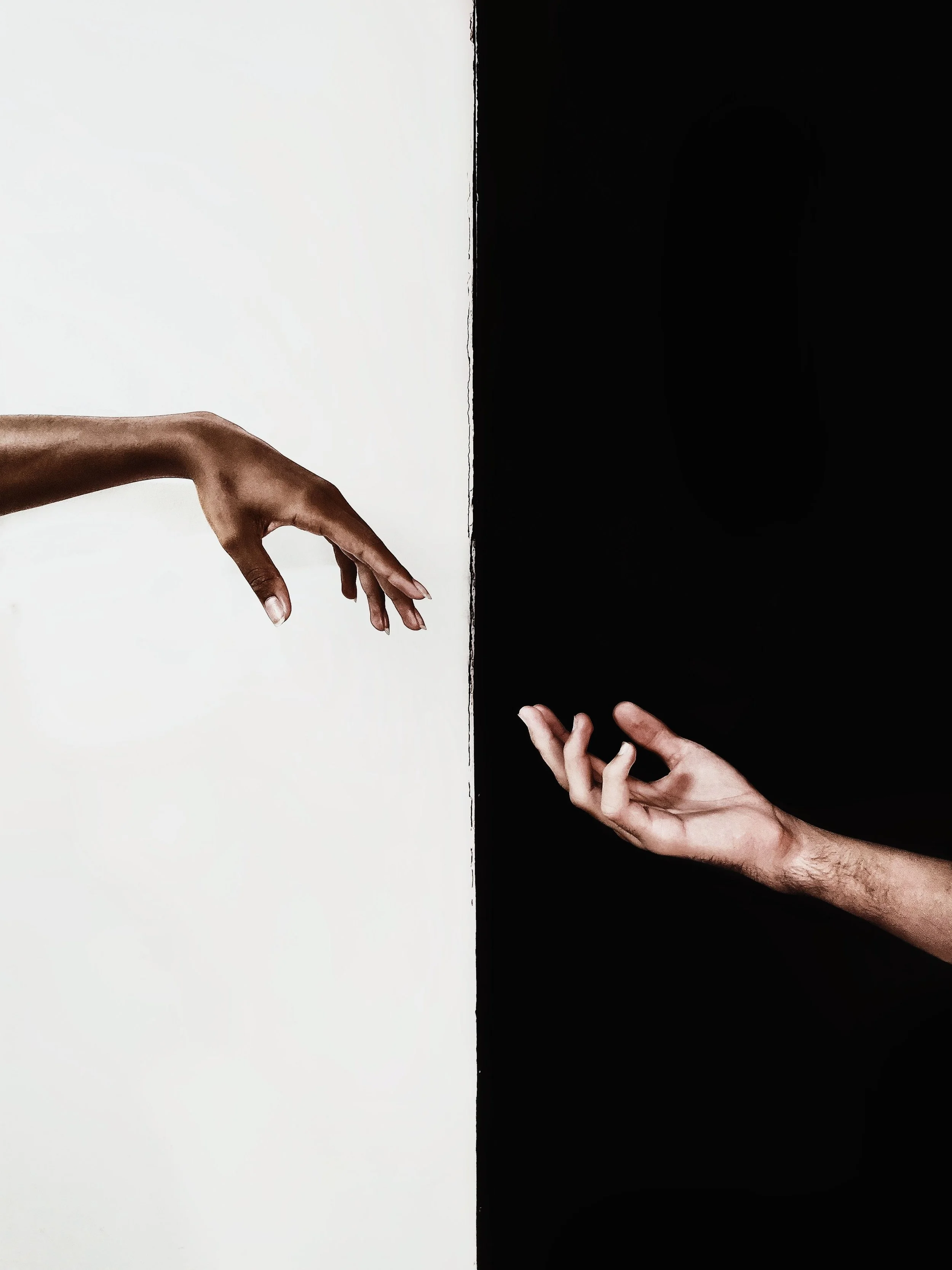
𝐇𝐨𝐰 𝐜𝐚𝐧 𝐨𝐫𝐠𝐚𝐧𝐢𝐬𝐚𝐭𝐢𝐨𝐧𝐬 𝐛𝐞𝐜𝐨𝐦𝐞 𝐭𝐫𝐮𝐥𝐲 𝐫𝐞𝐬𝐢𝐥𝐢𝐞𝐧𝐭 𝐢𝐟 𝐭𝐡𝐞 𝐩𝐞𝐨𝐩𝐥𝐞 𝐬𝐡𝐚𝐩𝐢𝐧𝐠 𝐭𝐡𝐞𝐦 𝐚𝐫𝐞 𝐝𝐢𝐬𝐜𝐨𝐧𝐧𝐞𝐜𝐭𝐞𝐝 𝐟𝐫𝐨𝐦 𝐭𝐡𝐞𝐦𝐬𝐞𝐥𝐯𝐞𝐬?
This is where the conversation becomes particularly interesting to me. I increasingly feel that resilience begins much closer to home. In our inner world. In how deeply rooted we are within ourselves, how well we know our own patterns and how consciously we respond to the world around us. How much of what we think, feel and do is genuinely ours? And how much is shaped by conditioning, inherited beliefs, past experiences, fears and expectations that we have rarely questioned? When we make decisions, are we responding to what is actually happening, or to the way our conditioning has taught us to interpret what is happening?
And how does that influence the consequences of our actions? A decision made from fear, insecurity or the need for control can ripple far beyond ourselves. It shapes how we relate to our partners, how we raise our children, how we engage with our communities and how we lead and collaborate at work.
Perhaps resilience is therefore not simply about how well we respond to external disruption, but also about how consciously we relate to the forces moving within us.
𝐁𝐞𝐜𝐚𝐮𝐬𝐞 𝐰𝐡𝐚𝐭 𝐡𝐚𝐩𝐩𝐞𝐧𝐬 𝐰𝐢𝐭𝐡𝐢𝐧 𝐮𝐬 𝐝𝐨𝐞𝐬 𝐧𝐨𝐭 𝐫𝐞𝐦𝐚𝐢𝐧 𝐰𝐢𝐭𝐡𝐢𝐧 𝐮𝐬.
We carry our inner world into every relationship, every conversation and every decision. And collectively, these decisions shape the cultures, organisations and societies we create. This makes me wonder whether organisational resilience can ever be understood independently of personal resilience.
We often see organisations respond to uncertainty with more control, more procedures, greater efficiency and increasing pressure to perform. But what if these responses are sometimes expressions of the very fear and conditioning that prevent transformation?
I recognise this tendency in myself as well. There are moments when the familiar feels safer, even when something deeper tells me that it is time to move beyond it. Becoming aware of these patterns does not make them disappear, but it creates a little more space between what happens and how I choose to respond. And perhaps that space is where resilience begins.
Nature offers another important lesson. The resilience of a forest does not come from the strength of a single tree, but from the relationships between countless living organisms, many of which remain invisible to us. The health of the whole depends on the quality of these relationships.
Being deeply rooted in ourselves does not mean becoming independent of everything around us. The more grounded we become, the more consciously we can participate in the relationships and living systems of which we are part.
This changes how I think about leadership and transformation. Rather than helping people become better at coping with old systems, perhaps we should be creating the conditions in which healthier ways of working, relating and living can emerge.
That might begin with something as simple as a leader recognising when fear is driving a decision. A team becoming aware of an unspoken assumption. An organisation choosing to listen rather than immediately defend its existing position. Or an individual finding the courage to question a belief that has shaped their life for decades.
I believe we need a different kind of strength for the times ahead. One that comes from being deeply rooted in ourselves while remaining open to transformation. One that allows us to question what we have inherited without losing our sense of belonging, and to embrace uncertainty without immediately trying to control it.
𝐖𝐡𝐞𝐫𝐞 𝐝𝐨 𝐲𝐨𝐮 𝐛𝐞𝐥𝐢𝐞𝐯𝐞 𝐫𝐞𝐬𝐢𝐥𝐢𝐞𝐧𝐜𝐞 𝐭𝐫𝐮𝐥𝐲 𝐛𝐞𝐠𝐢𝐧𝐬? 𝐀𝐧𝐝 𝐚𝐭 𝐰𝐡𝐚𝐭 𝐩𝐨𝐢𝐧𝐭 𝐝𝐨𝐞𝐬 𝐨𝐮𝐫 𝐝𝐞𝐭𝐞𝐫𝐦𝐢𝐧𝐚𝐭𝐢𝐨𝐧 𝐭𝐨 𝐫𝐞𝐦𝐚𝐢𝐧 𝐫𝐞𝐬𝐢𝐥𝐢𝐞𝐧𝐭 𝐛𝐞𝐜𝐨𝐦𝐞 𝐚𝐧 𝐚𝐭𝐭𝐚𝐜𝐡𝐦𝐞𝐧𝐭 𝐭𝐨 𝐬𝐨𝐦𝐞𝐭𝐡𝐢𝐧𝐠 𝐰𝐞 𝐚𝐜𝐭𝐮𝐚𝐥𝐥𝐲 𝐧𝐞𝐞𝐝 𝐭𝐨 𝐥𝐞𝐭 𝐠𝐨 𝐨𝐟?